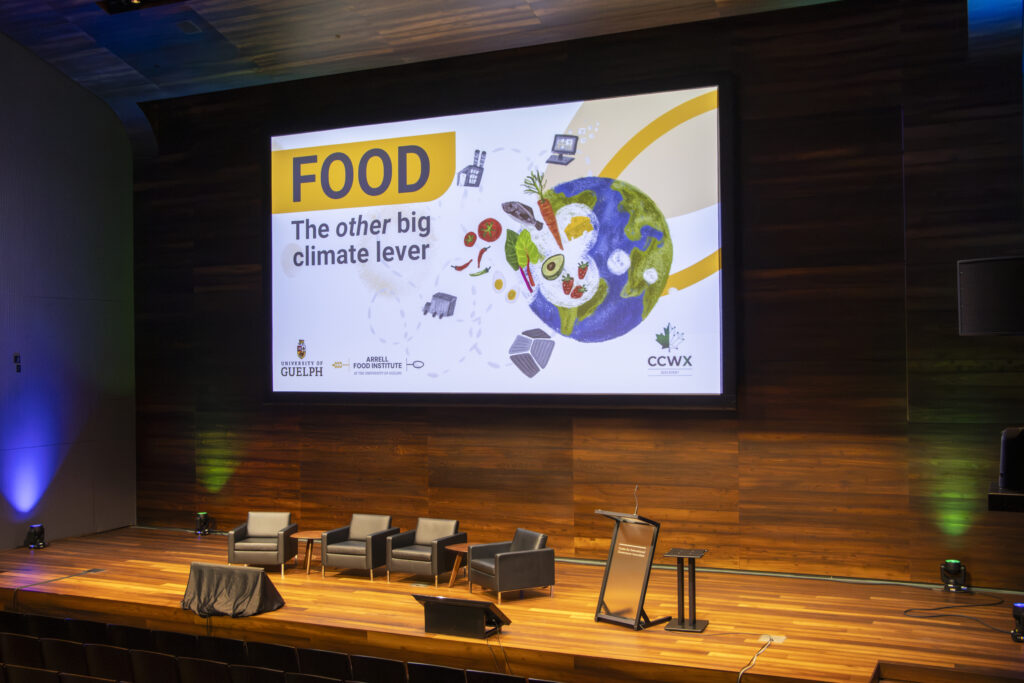
Food: the other big climate lever
The connection between food and climate can feel natural, maybe obvious. But too often, “food people” and “climate people” find themselves working in different spheres. That’s a problem, because when it comes to the great challenges of our time – climate change, biodiversity loss and inequality – food is connected to it all.
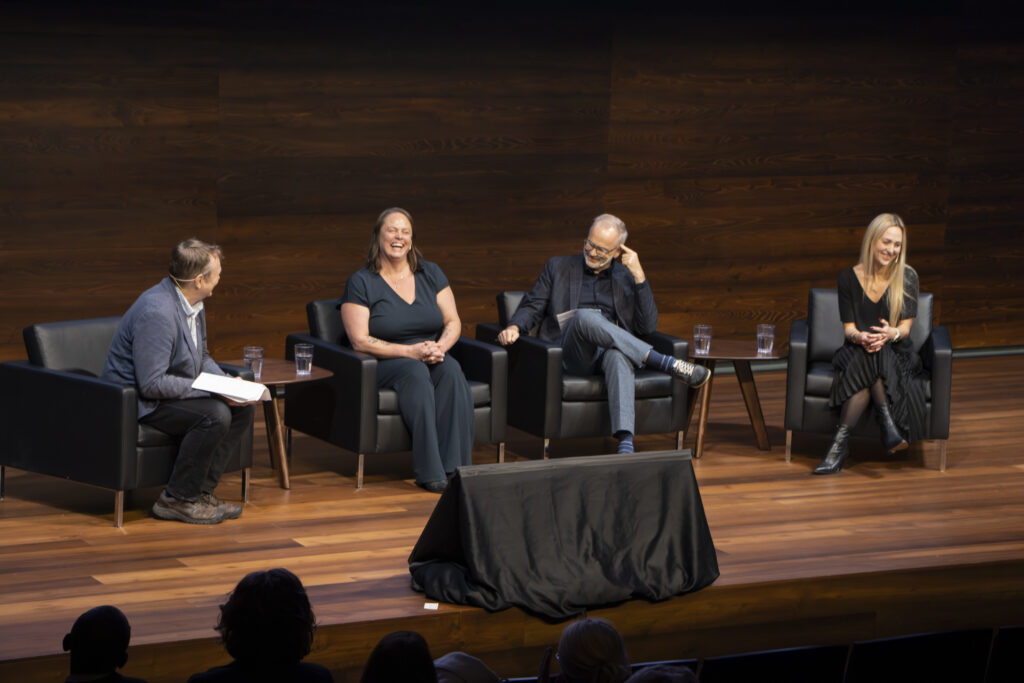
That makes food a powerful lever in our efforts to create a food system that works for people and planet. At this special AFI event for the inaugural Canada Climate Week Xchange, we heard from farmers, researchers, funders, founders and more on the economic, environmental and social benefits of bridging the climate-food divide. Here are some of the highlights.
Panel discussions
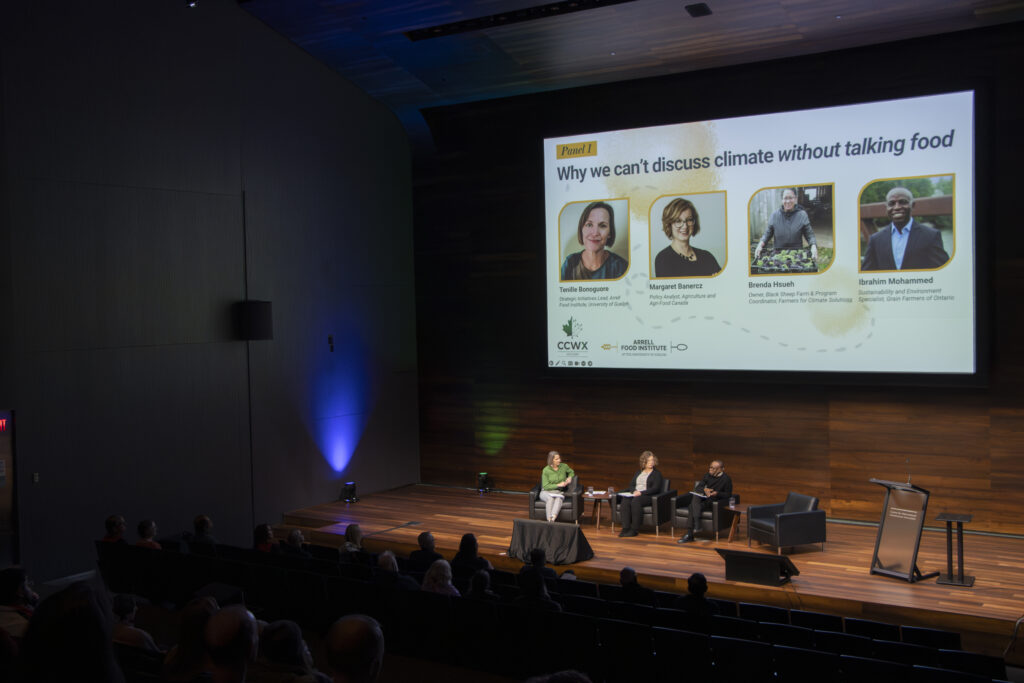
“Adaptation isn’t just a concept or an engineering problem where we can optimize. It’s basically how farming happens.”
— Ibrahim Mohammed, Grain Farmers of Ontario.
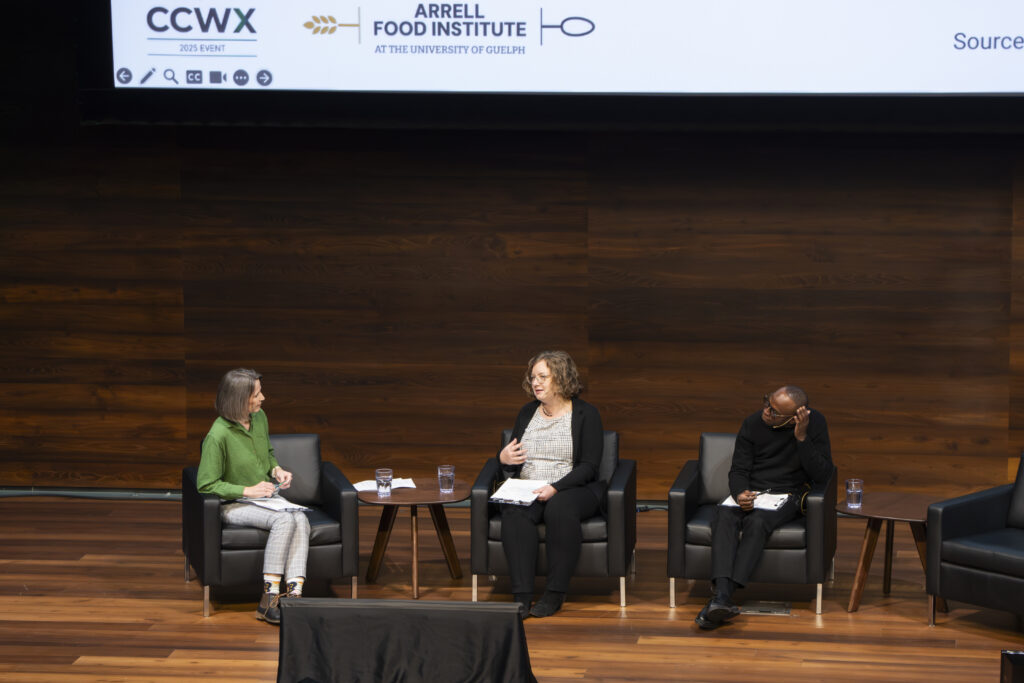
The science of climate change is clear, but reality is messy – especially on farms. At the local level, three key land management practices can have a big impact, said Black Sheep Farm owner Brenda Hsueh. She works with Farmers for Climate Solutions to promote better nitrogen management, rotational grazing and cover cropping. “You end up with more low-emissions farming and higher resilience to the extremes of drought and flooding,” she said.
With so many compounding crises, and short timelines to meet global climate pledges, it’s important to look for actions that can have multiple benefits, said Agriculture and Agri-Food Canada policy analyst Margaret Bancerz. “We can form a policy or action that might not just mitigate climate change, it might also help us adapt to it, it might improve biodiversity, improve livelihoods and food security.”
Throughout it all, farming needs to be economically viable as well as environmentally sustainable. Ibrahim Mohammed from Grain Farmers of Ontario said adaptation is where the action starts. Other drivers, from emissions targets and market pressures to pest and disease issues and government regulations, layer on top of that first imperative.
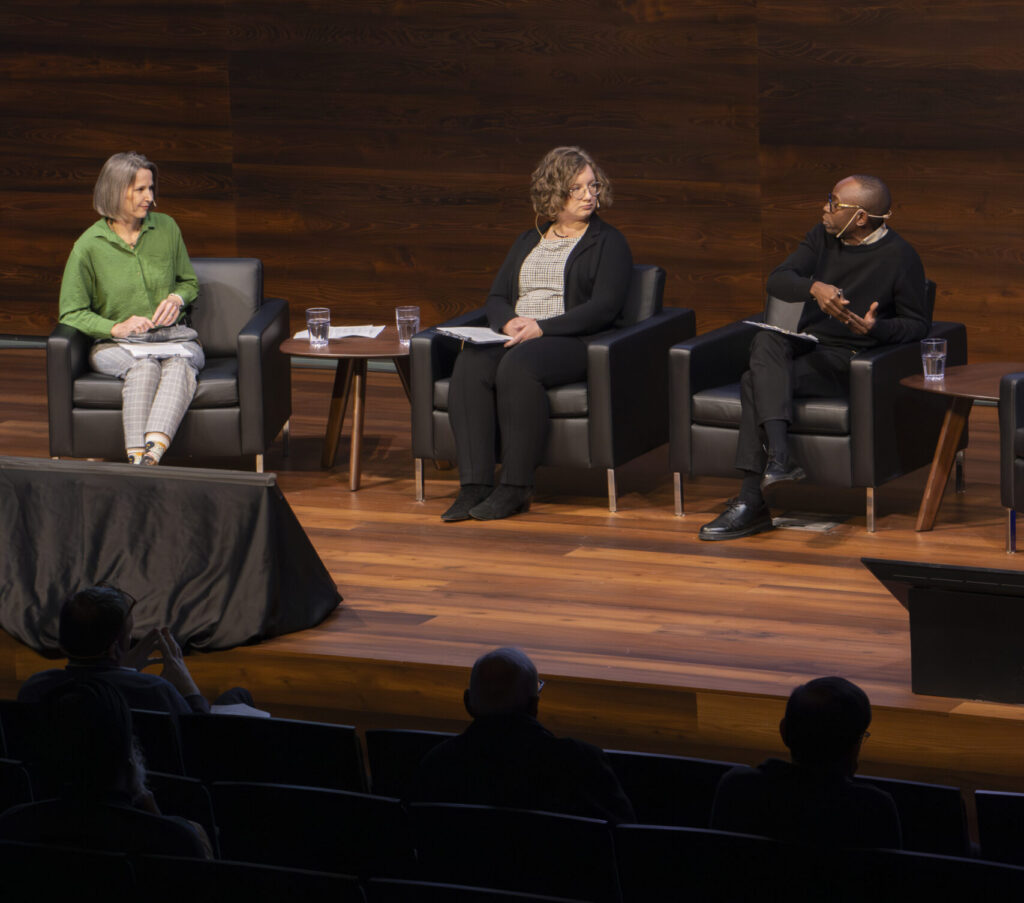
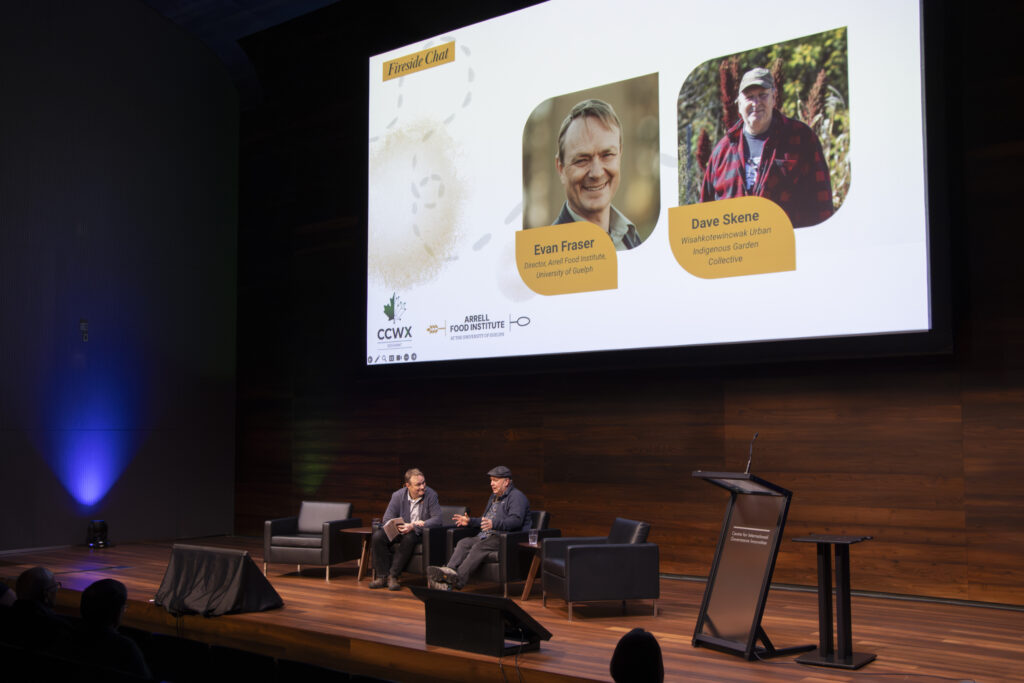
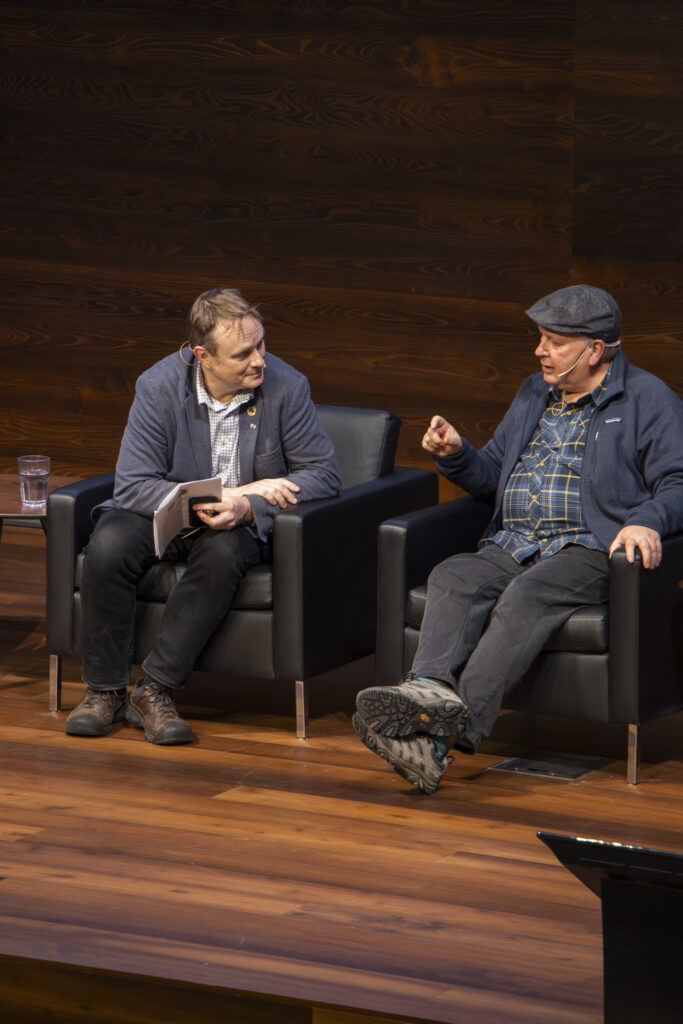
“When we belong somewhere, we hope not to mess that up. That’s a good environmental thing, to see ourselves as belonging to a place.”
— Dave Skene, Wisahkotewinowak
Caring for land starts with knowing it. Wisahkotewinowak, an Indigenous urban garden collective, uses land-based education and urban farming to help people reconnect with food and nature.
“From a Métis perspective, what we see often in Western concepts is, it’s kind of untethered from the land,” said Dave Skene from Wisahkotewinowak. Rebuilding that connection is powerful, for people and planet. “It’s not just Indigenous people who can be tethered to the land. Anybody can be tethered to the land. … It’s the things we love that we’re going to work really hard to save. The relational aspect, we see as significant.”
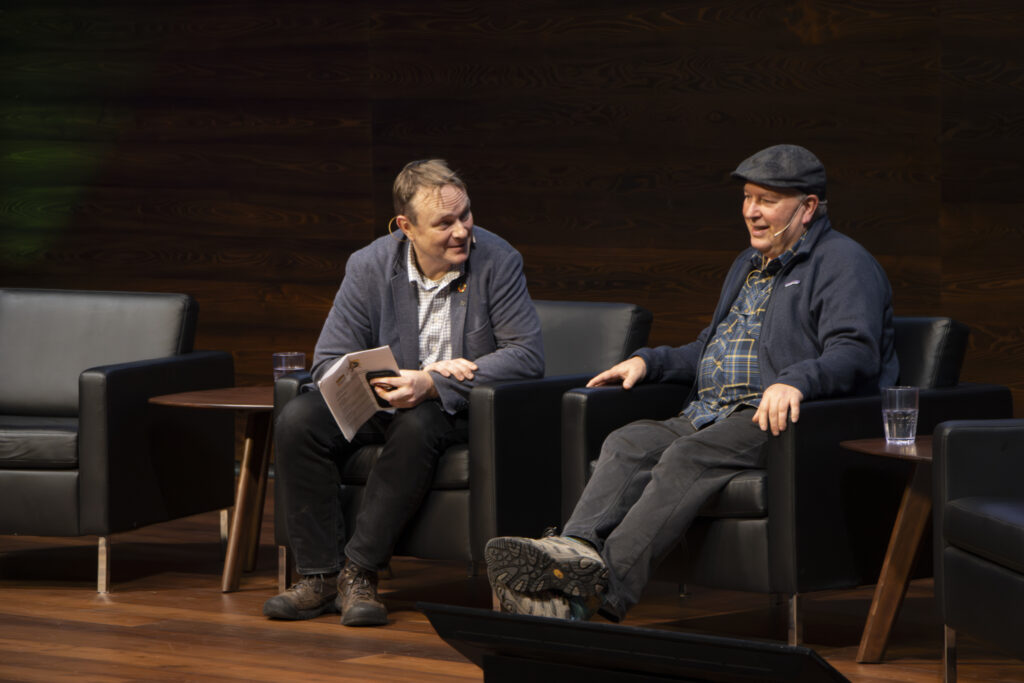
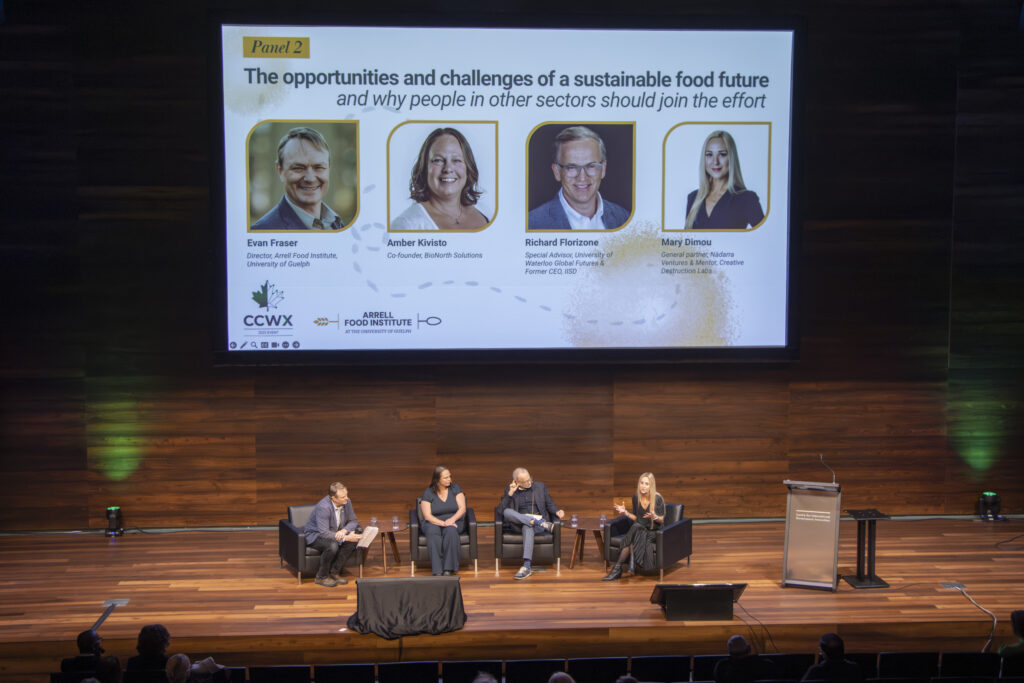
“The change really occurs when you’re told the change has to happen, and you have two to three years to make that change.”
— Mary Dimou, Nàdarra Ventures
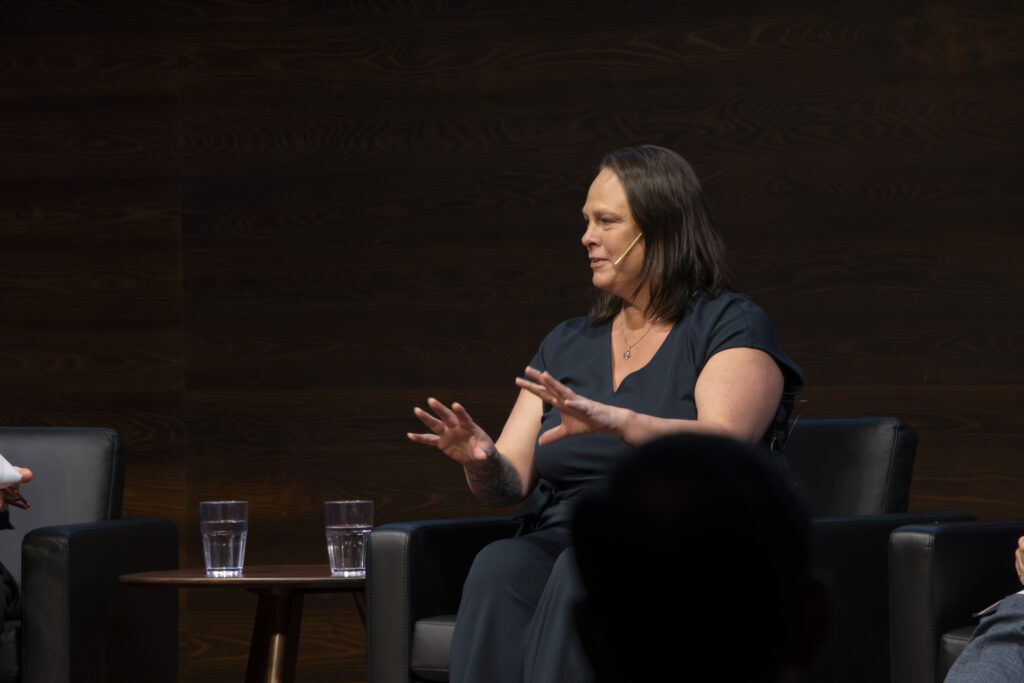
With so much action needed to create sustainable food systems, the agri-food has emerged as a place of huge opportunity. Amber Kivisto knows that first-hand, having pivoted her soil remediation company BioNorth Solutions to focus on agriculture. “We harvest natural bacteria from soil and root systems, then determine how they can work to improve plant growth in the case of agriculture. The plants grow bigger roots and it makes soil healthier,” she said.
For Mary Dimou, general partner at Nàdarra Ventures, agriculture is a key sector for investment, but Canada is falling behind, partly due to mismatched funding mechanisms and incentives. “Many companies stay reliant on grants for too long, missing the opportunity to scale,” she warned.
In the hunt for solutions, some of the best ideas come from harnessing nature itself. Richard Florizone, special advisor to the University of Waterloo Global Futures, said nature-based solutions created massive win-win-wins when he was the CEO of the International Institute for Sustainable Development, based in Winnipeg. He pointed to Pelly’s Lake, where a wetland created to help farmers manage increased flooding ended up helping during droughts as well. “When you can achieve something that is positive for climate and positive for nature and the producers are thrilled with it, that’s the gold standard and that’s what we have to push ourselves to do,” he said.

Gallery